Sustainable Forest Management: Baka Women Mobilised to Protect Their Natural Heritage
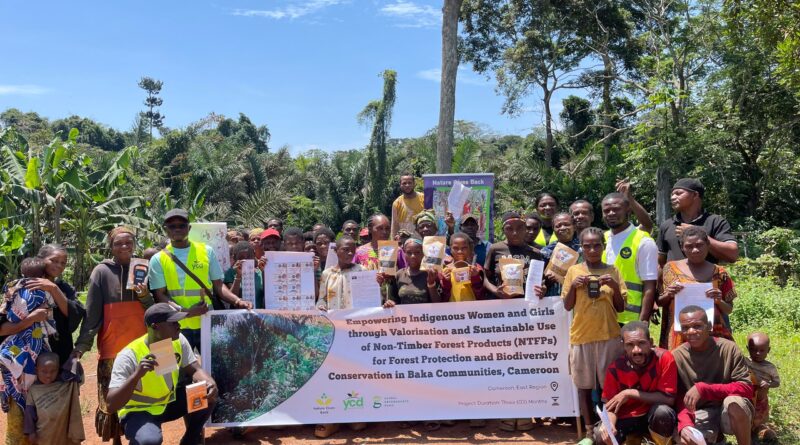
Through the sustainable use and marketing of njansang, mbalaka and medicinal plants, Nature Gives Back, in collaboration with Youth Contemporary Development (YCD), seeks to strengthen the economic capacities of 50 Indigenous women and girls in Mindourou, in Cameroon’s East Region, from October to December 2026.
In the Baka communities of Mindourou, forests are a source of income and a repository of ancestral knowledge. Yet, despite their intimate knowledge of forest resources and their uses, the women who depend on them continue to face economic exclusion and insufficient recognition of their rights. It is against this backdrop that Nature Gives Back (NAGIBA), in collaboration with Youth Contemporary Development (YCD), is implementing an initiative that places Indigenous women and girls at the heart of biodiversity conservation.
Funded by the Global Greengrants Fund, the project seeks to empower 50 Baka women and girls in the East Region through the sustainable use and development of non-timber forest products (NTFPs). Its dual objective is to improve their livelihoods while promoting the protection of ancestral forests.
The first phases of the programme involved consultations with local communities to identify their needs and priorities. These participatory discussions, which brought together women, girls, men and traditional authorities, resulted in the identification of several priority actions. Among them is the establishment of women-led cooperatives designed to organise economic activities, pool resources and improve access to markets.
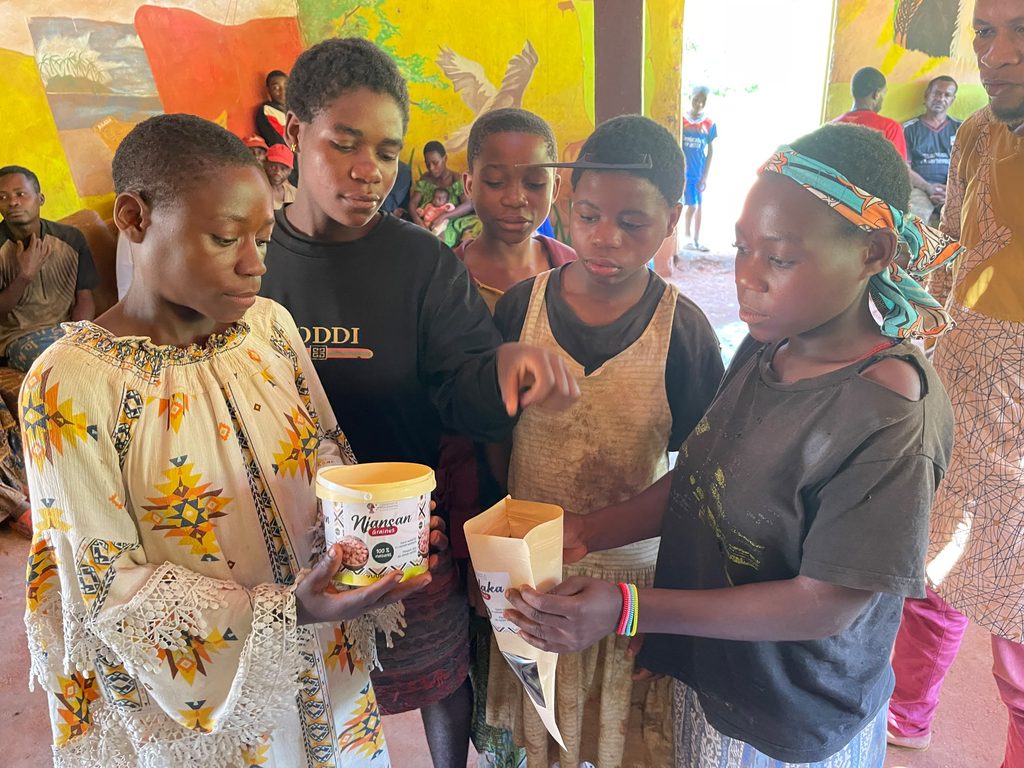
Njansang and mbalaka are central to this initiative. Their harvesting, processing, preservation and packaging are key activities for creating added value. Practical training sessions are therefore being provided to participants to improve their production techniques and develop marketable products.
Illegal logging, mining activities and commercial agriculture are placing increasing pressure on forest ecosystems
The initiative also includes training in cooperative management, product packaging and climate justice. Dialogues with local authorities and traditional leaders complement these activities, with the aim of ensuring that women’s concerns are better taken into account in community decision-making processes. In Baka territories, illegal logging, mining activities and commercial agriculture are placing increasing pressure on forest ecosystems.
These threats undermine local livelihoods and jeopardise the transmission of traditional knowledge. The next steps will focus on monitoring activities, evaluating results and strengthening the cooperatives. Field visits will be conducted to gather feedback from participants and assess progress in income generation, skills development and participation in community decision-making. Established in 2020, NAGIBA is pursuing this initiative in line with its vision of an inclusive society in which knowledge and skills contribute to harmonious coexistence between people and nature.
Marcial Nzemie